

The Intersection of AI and Healthcare: Transforming Patient Care and Outcomes
Introduction
AI is no longer confined to the realms of research labs and tech startups—it is making profound inroads into healthcare.
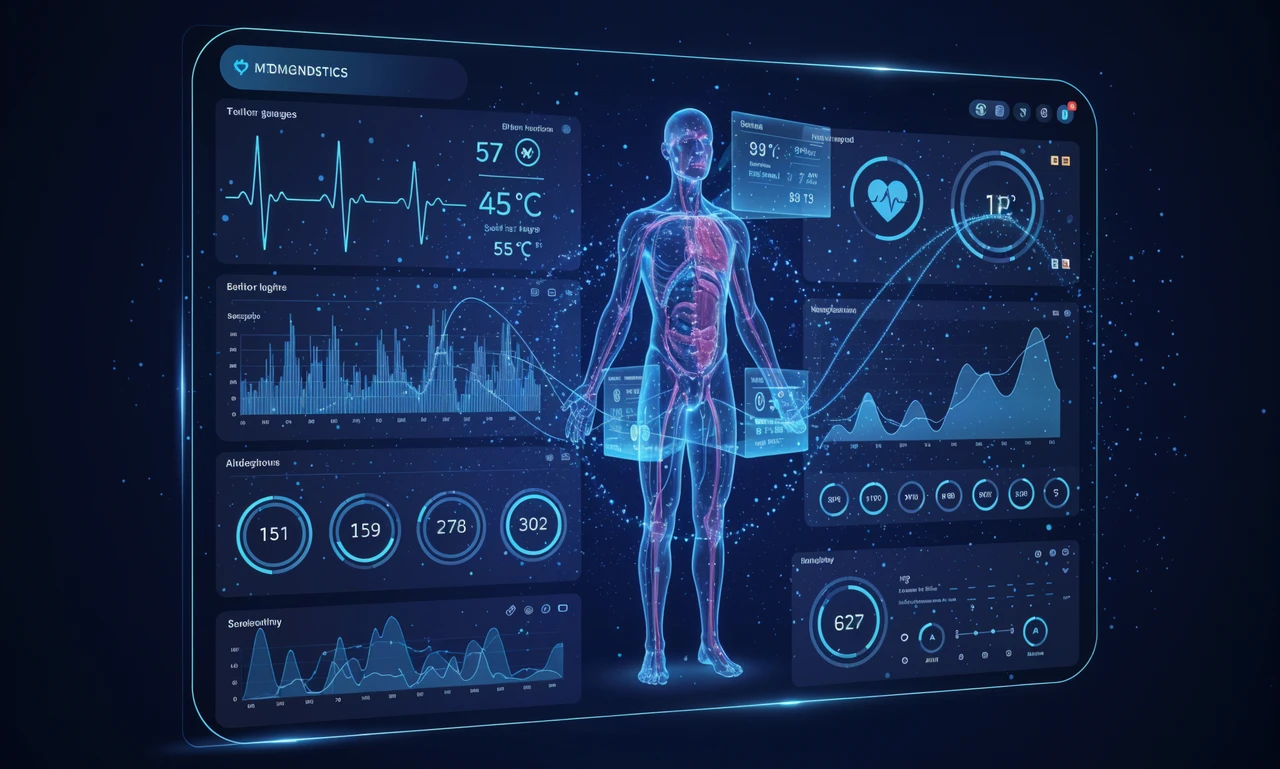
Artificial Intelligence (AI) is no longer confined to the realms of research labs and tech startups—it is making profound inroads into healthcare. From predictive diagnostics to personalized treatment plans, AI is revolutionizing the way patients receive care, how clinicians make decisions, and how health systems operate. At this intersection of cutting-edge technology and medicine, opportunities abound for transforming outcomes and improving lives.
"AI has the potential to act as a co-pilot for healthcare professionals, providing timely insights that enhance, rather than replace, human judgment,"
Enhancing Diagnostics and Early Detection
One of AI’s most celebrated applications in healthcare is diagnostic imaging. Algorithms trained on thousands of radiological scans can now detect anomalies such as tumors, fractures, or lesions with remarkable accuracy. In some cases, AI systems have outperformed seasoned radiologists in detecting early-stage cancers.
For example, AI-powered mammography tools are reducing false positives and helping doctors identify breast cancer earlier, improving survival rates. Similarly, ophthalmology has seen breakthroughs where AI models can spot diabetic retinopathy before symptoms appear.
"Artificial Intelligence in healthcare is not about replacing doctors or nurses—it’s about giving them superpowers. By analyzing vast amounts of medical data in seconds, AI allows clinicians to make better decisions, personalize treatments, and catch illnesses earlier than ever before. The real value is not just in the technology itself, but in how it enhances human expertise and compassion, ensuring patients receive care that is both smarter and more empathetic."


Ready to move your market access strategy forward?